

What is Autism?
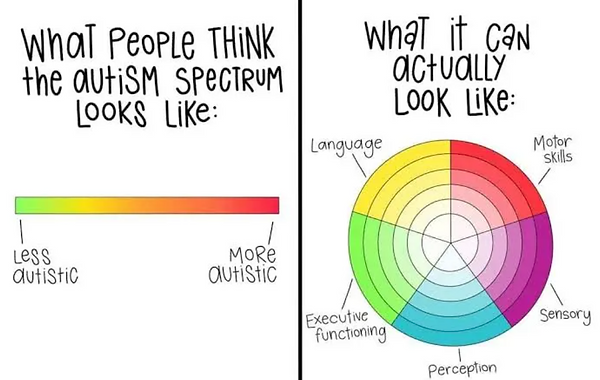
Autism is a neurodevelopmental difference. The Autism Spectrum is incredibly diverse and no two Autistic people with present in the same way.

Autism is a clinical diagnosis which means that there is no blood test that can determine if someone is autistic, rather, a diagnosis is determined based on a group of characteristics.
There are two main groups of characteristics that are common to autistic individuals.
Differences in Language, Communication, Social Relationships and Emotional Responses
Autistic people often have differences in how they use language and communication in social settings. This can include:
- Engagement in conversation including: starting conversation, keeping it going, engaging in back and forth interactions, expressing interest in other's thoughts and experiences.
- Expression of emotion including facial expressions and empathy.
- The use non-verbal means of communication such as gesture and eye contact and how this is linked with verbal communication.
- Initiating, maintaining and understanding social relationships. This can include making friends, keeping friends, understanding the role of friendships and managing conflicts and disagreements.
- Ability to engage in and collaborate in imaginary/pretend play with others.
Sensory Use, Behaviours and Interests
Autistic often people also often display at least some of the following:
- Strong passions including an ability to hyperfocus on things of interest.
- Sensory differences and preferences.
- Enjoy repetitive behaviours including repetitive movements, noises and routines.
- Stuckness/Logical and 'black and white' thinking styles which can cause difficulties with change, new experiences and making choices.
How do we assess Austism?
Autism assessment is a comprehensive and detailed process.
Autism can often look like other conditions including ADHD, Anxiety, PTSD, depression, intellectual disability and emotional regulation difficulties.
Autism Assessments at Child Assessment Clinic involve:
- Structured assessments with the child or young person.
- Gathering of clinical information from parents or caregivers.
- Administration of standardised questionnaires to parents and teachers.
- Gathering feedback from daycare/preschool/school.
- Review of all relevant therapist and doctor reports.
- Comprehensive feedback with recommendations.
- A comprehensive report that can be used for NDIS funding.
What about Asperger's?
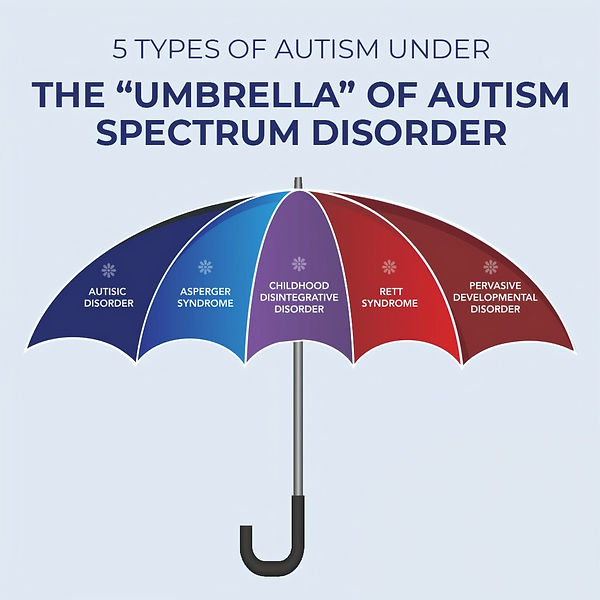
Asperger's Syndrome was used until 2013 when the new Diagnostic and Statistical Manuel (DSM-5) grouped Asperger's under the umbrella of Autism Spectrum. As such we no longer use this diagnosis.